How to Apply for an Indian Medical Visa: A Step-by-Step Guide for Patients
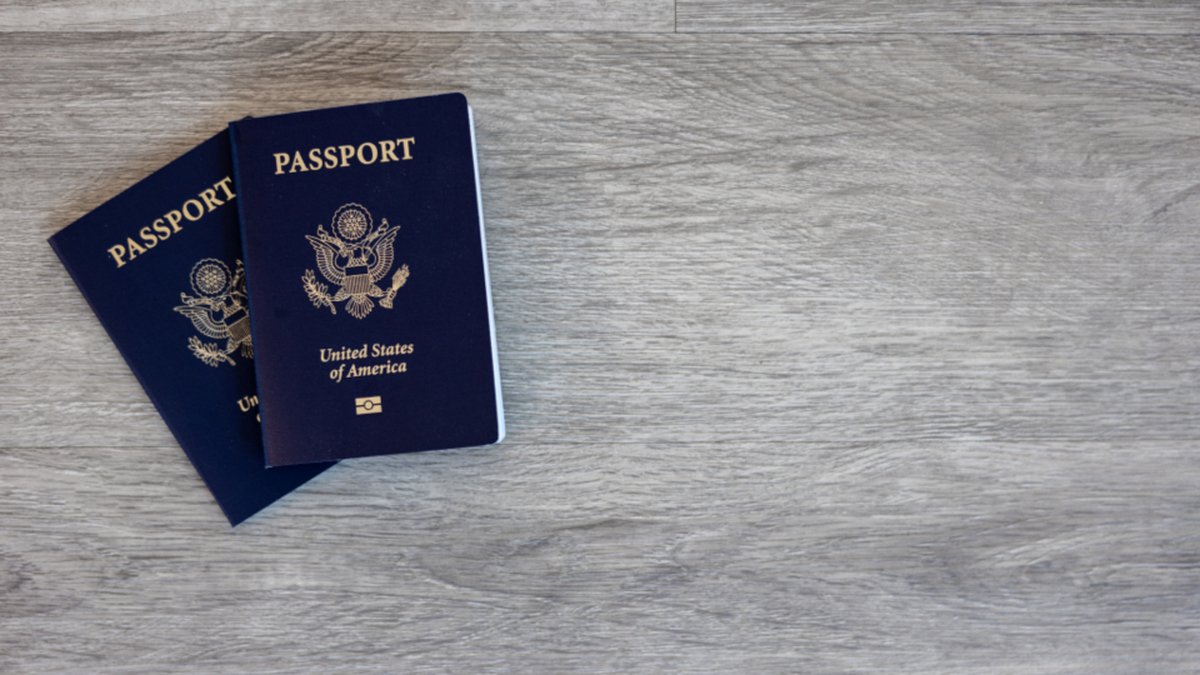
Once you have chosen a hospital in India, the next practical step is the medical visa. For most international patients the process is straightforward, but small mistakes, such as applying on the wrong visa type or uploading an unclear document, can delay your treatment.
This guide explains how the Indian medical visa works, which type is right for you, what documents you need, and how a family member can travel with you as your attendant.
Important: Visa rules, fees, eligible nationalities, and validity periods change from time to time. Always confirm the current requirements on the official Government of India visa website or with your nearest Indian embassy before you apply.
Which Visa Do Medical Patients Need?
If the main purpose of your trip is medical treatment, you should apply for a medical visa, not a tourist or business visa. Travelling for planned treatment on a tourist visa can create problems at immigration or with the hospital.
India offers two main routes for patients:
e-Medical Visa
The e-Medical Visa is applied for online and is available to citizens of many countries. It is designed for short-term medical treatment and is usually the fastest option. Once approved, you receive an electronic travel authorisation by email and the visa is stamped on arrival at an eligible airport.
Regular Medical Visa
A regular medical visa is applied for through an Indian embassy, consulate, or authorised visa centre in your country. It is generally used when the e-Medical Visa is not available for your nationality, or when longer or more complex treatment is expected.
The Attendant Visa for Family Members
Most patients travel with a family member or companion. They should apply for the matching attendant visa, such as the e-Medical Attendant Visa, rather than a tourist visa. Attendant visas are linked to the patient's medical visa, and there is usually a limit on how many attendants can accompany one patient.
Important: The attendant's application is normally connected to the patient's application, so it helps to apply for the patient and attendants at the same time.
Step-by-Step: How to Apply for an Indian e-Medical Visa
Step 1: Get an invitation letter from the hospital
Before you apply, ask the hospital's international patient department for a visa invitation letter. This letter is on the hospital's letterhead and usually confirms your name, passport number, the treatment planned, and the expected dates. A facilitator can help you request it, but it should come from the treating hospital.
Step 2: Check your passport
Your passport should have enough remaining validity and blank pages. A common rule is at least six months of validity from your date of arrival, but confirm the current requirement before applying.
Step 3: Fill in the online application
Apply only through the official Government of India visa website. Select the medical visa category, fill in your personal and passport details, and enter the hospital's name and address exactly as they appear on the invitation letter.
Step 4: Upload your documents
You will usually need:
- A recent passport-style photograph with a plain, light background
- A clear scan of your passport's photo page
- The hospital invitation letter
- Any other documents requested for your nationality
Step 5: Pay the visa fee
The fee depends on your nationality. Pay only on the official website, and keep the payment confirmation.
Step 6: Receive your approval and travel
Once approved, you will receive your electronic travel authorisation by email. Print a copy and carry it with your passport and the hospital invitation letter when you travel.
When to Apply
Do not leave your visa application to the last minute. Processing can take several working days, and additional checks occasionally take longer. Apply as soon as you have a confirmed treatment plan and invitation letter, while leaving enough flexibility in case your dates change.
Common Mistakes That Delay a Medical Visa
- Applying on an unofficial website that charges extra fees
- Applying for a tourist visa instead of a medical visa
- Hospital name or dates on the application that do not match the invitation letter
- Blurry photographs or passport scans
- Spelling differences between the passport and the application
- Applying for attendants separately and too late
Important: Several unofficial websites look like the official visa portal and charge large service fees. Check the website address carefully before entering your details or paying.
What to Carry When You Travel
- Your passport and printed visa approval
- The hospital invitation letter
- Copies of your medical reports, including scans
- Your current medicines in their original packaging, with prescriptions
- Contact details of the hospital and your local coordinator
What If Your Treatment Takes Longer Than Planned?
If your doctor advises a longer stay, speak to the hospital's international patient department as early as possible. Visa extensions or changes are handled through the Indian immigration authorities, and the hospital can usually guide you on the documents needed. Do not stay beyond your visa's validity without proper approval.
Frequently Asked Questions
Can I travel to India for treatment on a tourist visa?
If your main purpose is medical treatment, you should apply for a medical visa. Using the correct visa type avoids problems at immigration and with the hospital.
Who provides the medical visa invitation letter?
The treating hospital in India provides the invitation letter, usually through its international patient department. A facilitator can help you request it.
Can my family member come with me on a medical visa?
Yes. Family members or companions usually apply for a medical attendant visa linked to your medical visa. There is normally a limit on the number of attendants per patient.
How long does it take to get an Indian medical visa?
Processing usually takes several working days, but it can take longer. Apply as soon as your treatment plan and invitation letter are confirmed, and check current processing times on the official website.
Can GativCare help with my medical visa?
GativCare can help you request the hospital invitation letter, check your documents, and plan your travel dates. The visa itself is issued by the Government of India, and you submit the application on the official website.
Final Thoughts
The medical visa is one of the simplest parts of planning treatment in India, as long as you use the correct visa type, apply on the official website, and make sure your details match the hospital's invitation letter.
If you are planning treatment in India and would like help with the invitation letter and travel planning, contact our team for a free consultation. You may also find our guide on talking directly to a doctor in India before traveling useful while you plan.
Have questions about this treatment?
Get a free consultation with our medical coordinators
Get Free Consultation